
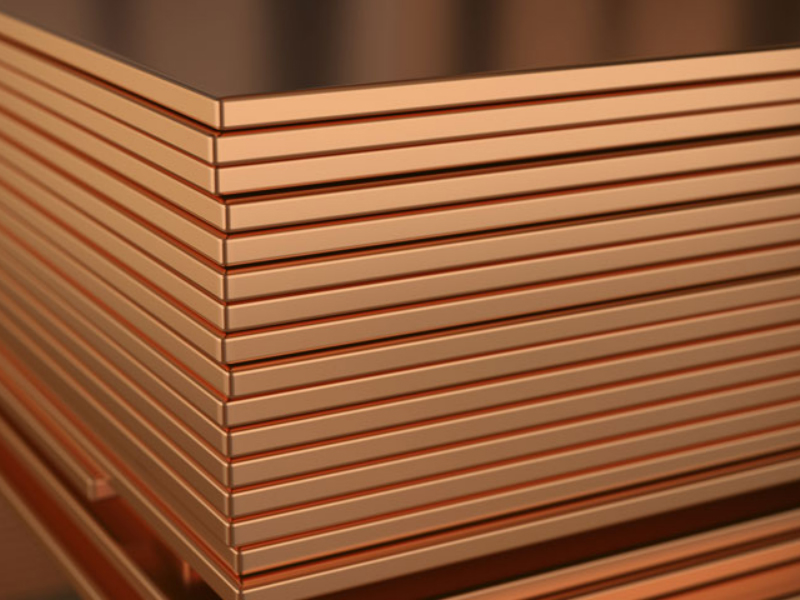
Copper is an incredibly versatile and useful material in many industrial and construction settings. Copper sheets are especially popular because they are relatively easy to work with, have excellent thermal and electrical conductivity, and can be used for many different purposes. Let’s take a look at the advantages and disadvantages of copper sheets so you can make an informed decision about whether or not they are suitable for your project.
What is a Copper Sheet?
The copper sheet is a highly malleable and workable metal with outstanding electrical and thermal conductivity and corrosion resistance. Copper (Cu) is a reddish, very ductile metal that belongs to Group 11 of the periodic table. Copper can be found in nature in its free metallic state.
Advantages of Copper Sheets
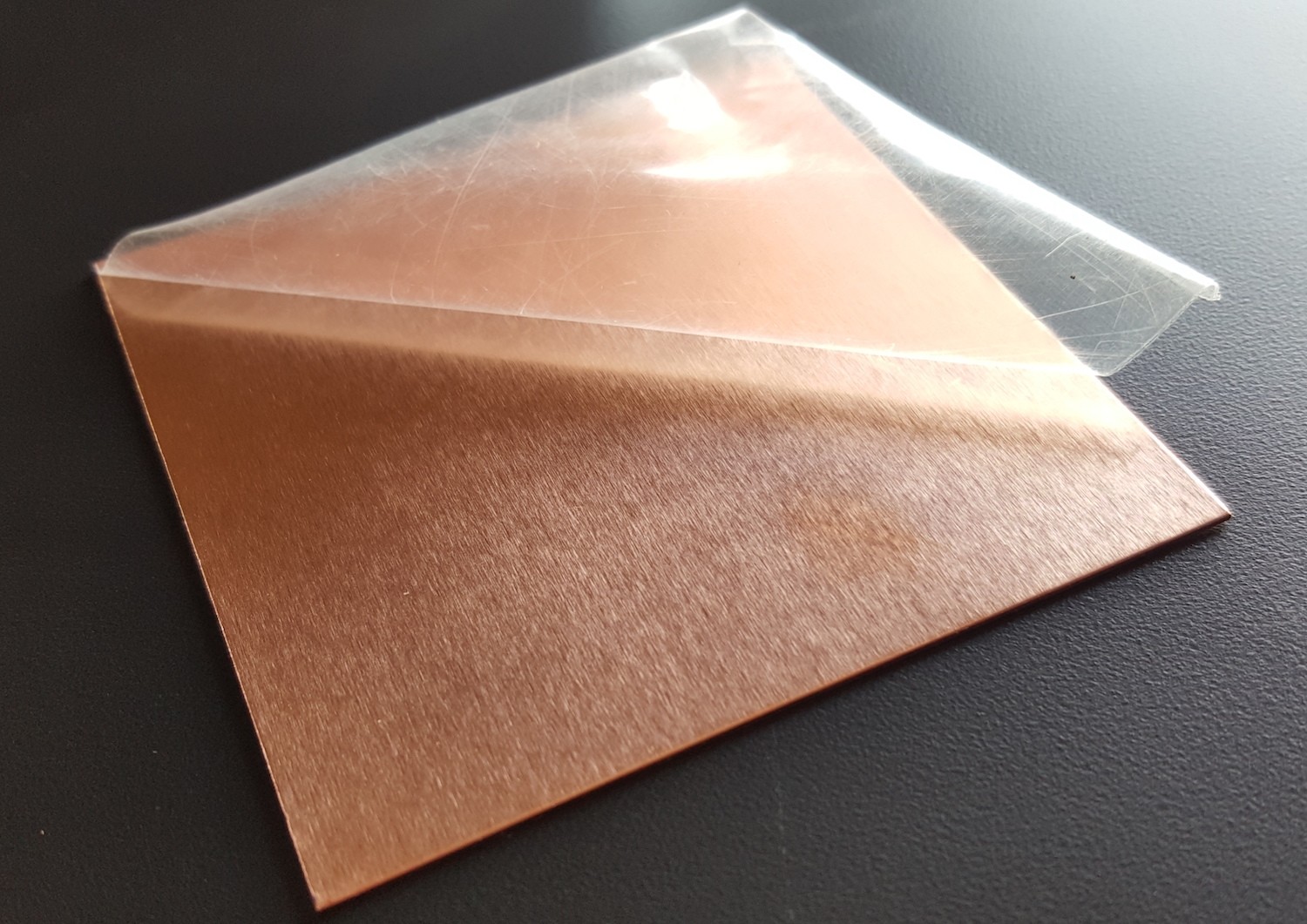
The most obvious advantage of copper sheets is their versatility. They can be used for roofing, countertops, gutters, wall cladding, window frames, flooring, facades, decorative items, sculptures—the list goes on! Additionally, copper is naturally anti-microbial, meaning it resists the growth of germs and bacteria over time. It also has excellent thermal properties that help keep indoor temperatures comfortable year-round. Finally, copper sheets are durable and resistant to corrosion due to their strong bond with other metals—meaning they won’t need to be replaced as often as other materials like wood or plastic.
Conductivity of Copper Sheets
Copper has the highest electrical and thermal conductivity ratings of all major metals. Copper alloys are unique as conductors of electricity because of their high conductivity, inherent strength, formability, and corrosion resistance, making copper suitable for connectors and other electrical/electronic goods.
Joining of Copper Sheets
Soldering, brazing, welding, bolting, riveting, crimping, and adhesive bonding are all typical ways of joining copper and copper alloys. Typical soldering and brazing applications include the installation of plumbing fittings and components. Copper and copper nickel welded tubes are commonly used in water delivery systems, heat exchangers, and air-conditioning units, and welding processes are commonly used.
Strength of Copper Sheets
Copper can be used for architectural purposes due to its softness, malleability, and excellent formability properties. Copper is strengthened by adding other elements and copper alloys, such as brasses and phosphor bronzes and copper nickels. Tensile properties are seen in copper alloys that outperform some aluminum alloys, come close to matching stainless steels, and have a wide range of applications. Copper alloys can be useful in the miniaturization of electronic components.
Formability of Copper Sheets
The ability to make micron-sized wire with minimal softening anneals exemplifies copper's remarkable formability. Copper alloys, in general, gain strength in proportion to the amount and character of the alloying element. The amount of cold work increases the strength of brasses, bronzes, nickel silvers, copper nickels, and other alloy families. For creating components like bathroom fixtures and other household objects, standard procedures include deep drawing, coining, stretching, and bending. Copper nickel tubes are typically made from strips and then placed as customized condenser bundles.
Corrosion Resistance of Copper Sheets
Because of its exceptional corrosion resistance, copper and its alloys are widely employed in a variety of settings and applications. Copper, brass, and bronze architectural fittings and fixtures continue to serve in both indoor and outdoor situations. In unpolluted air, water, and deaerated non oxidizing acids, copper alloys corrode at insignificant rates. After millennia in the soil, many copper alloy artifacts have been discovered in practically immaculate form. In 200 years, copper roofing has been found to corrode at a rate of less than 0.015 in (0.4mm). Copper alloys are resistant to a wide range of salty, alkaline, and organic substances. Freshwater supply lines and plumbing fixtures, heat exchangers and condensers, are just a few examples of where copper and copper alloys excel.
Color of Copper Sheets
Color variances in copper alloys are mostly due to differences in chemical makeup. Copper that hasn’t been alloyed has a reddish hue. When more elements are added, the color shifts to yellow, bronze, silver, or gray. When exposed to air, these colors can develop patinas. The degree of change is determined by the alloy chemistry and the atmosphere's composition.
Tensile Strength of Copper Sheets
Cold work or solid solution additives that improve strain hardening are the most common ways to strengthen copper alloys. The yield and tensile strength of annealed steel are inversely proportional to grain size. Copper gains tensile strength, yield strength, and work hardening rate when alloying elements are added. The tensile strength and yield strength of brasses, for example, both rise as the zinc concentration increases. Alloying yields a spectrum of property combinations of strength and work hardening.
Forge Ability of Copper Sheets
Copper alloy forgings have a lot of benefits, including high strength, tighter tolerances, and a low total cost. Valves, fittings, refrigeration components, and gas and liquid handling products all require brass forgings. Forgings are also used in industrial and decorative hardware. Closed dies are used to manufacture the majority of copper alloy forgings. The high copper alloys C10200, C10400, and C11000, which have exceptional ductility, or high strength alloys, all of which have the high temperature ductile + phase structure, are common forging alloys
Disadvantages of Copper Sheets
While there are plenty of advantages to using copper sheets for your project or application, there are some downsides that you should be aware of as well. For one thing, copper is pricey compared to other materials like aluminum or steel—so if budget is a concern, then you may want to consider using those instead. Additionally, copper sheets will require more maintenance than other materials when exposed to elements like saltwater or high humidity levels since these conditions can cause corrosion over time. Finally, improper installation techniques (like not using sealants) can lead to leaks which could damage nearby structures or cause personal injury if not addressed quickly enough.
Copper sheets are expensive.
Copper sheets are difficult to work with.
Copper sheets are susceptible to corrosion.
Copper sheets can be difficult to clean.
Copper sheets can cause skin irritation..
Related News

types of copper sheet
The copper most commonly used for sheet and strip applications complies with ASTM B370. It consists of 99.9 percent copper, and is available in six tempers designated by ASTM B370 as: 060 (soft), H00 (
What is the thickness of copper sheet
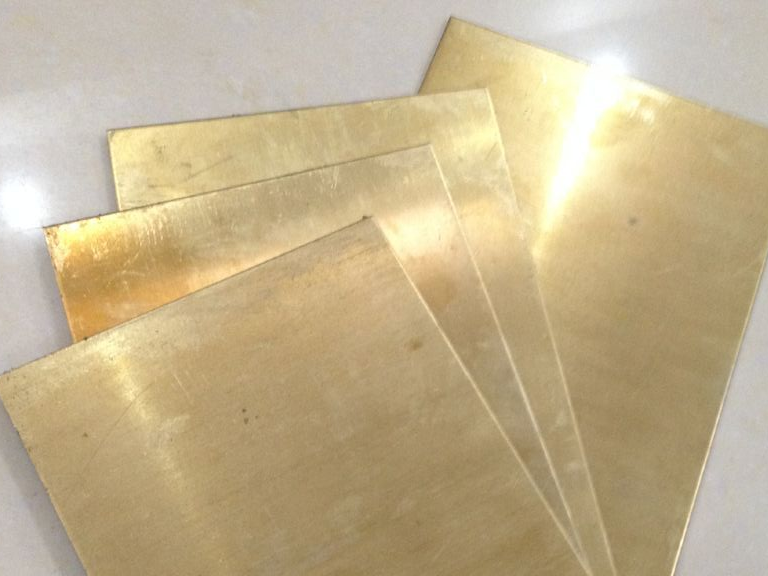
Copper sheeting comes in thicknesses ranging from very thin copper foil to thick copper plate. The unit of measurement used to identify the thickness of a sheet of copper varies, e.g., gauge, mil, ounc
Advantages and Disadvantages of Copper Sheets
Copper sheets are especially popular because they are relatively easy to work with, have excellent thermal and electrical conductivity, and can be used for many different purposes.


Related Comments